
What You’ll Learn
- California’s absolute minimum car insurance requirements for new drivers.
- Why new drivers often face higher insurance costs and what influences those prices.
- A step-by-step guide to finding and buying your first policy.
- Practical tips and discounts to help save money on your premiums.
- Answers to common questions about getting insured as a new driver in California.
Getting Started: What California Expects From New Drivers
You’ve got your shiny new California driver’s license in hand, or maybe you’re just getting your permit. That’s a big step. But before you hit the freeway — even for a quick spin to the grocery store — you need to understand California’s car insurance rules. It’s not just a good idea; it’s the law. Drive without insurance, and you’re looking at serious fines, license suspension, and even vehicle impoundment. Nobody wants that.
The Bare Minimum: California’s Legal Requirements
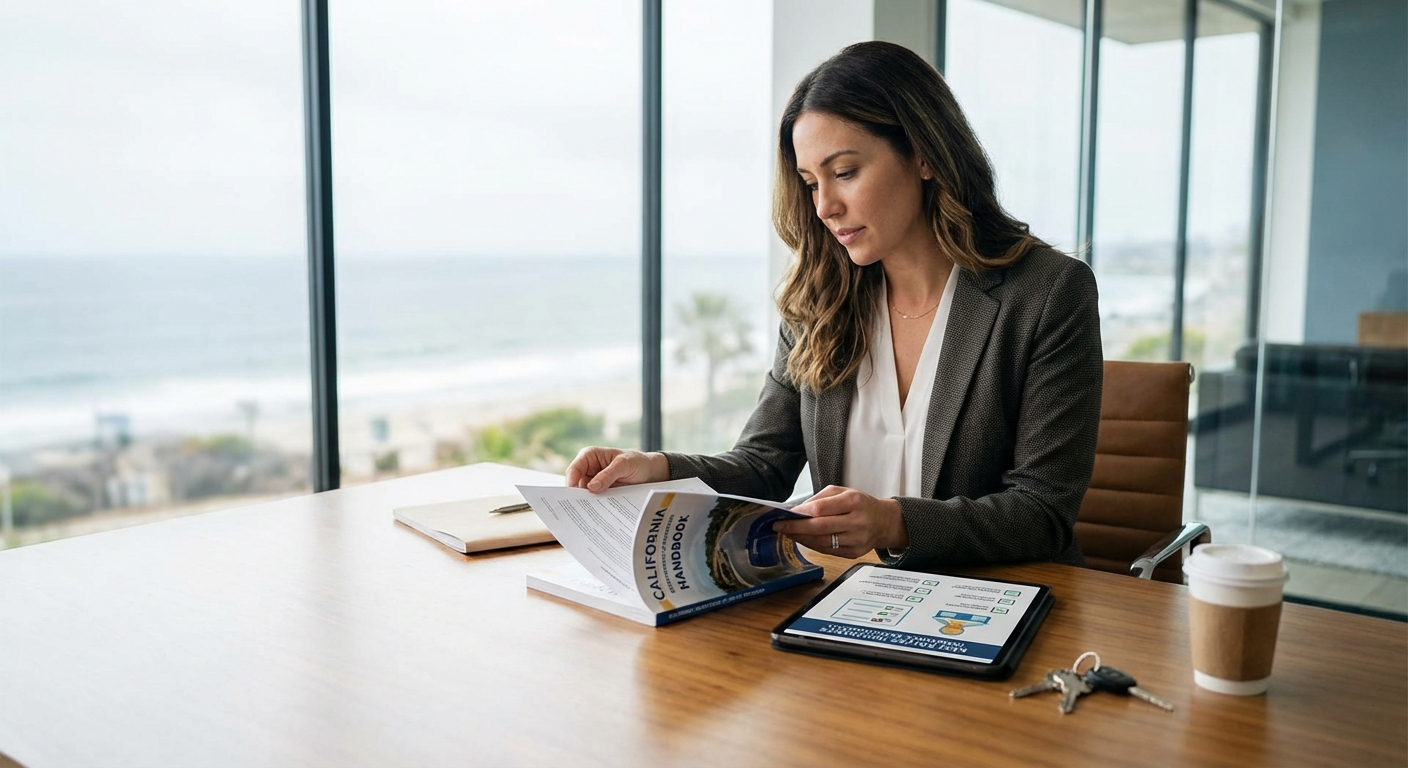
California, like most states, operates under a “fault” system. That means if you cause an accident, you’re responsible for the damages. Your insurance is there to cover those costs. And thanks to Proposition 103, passed way back in 1988, there are specific rules about how insurance companies operate and what they must offer.
So, what’s the absolute least you can have? California requires what’s called 15/30/5 liability coverage. Here’s what those numbers mean:
- $15,000 for injury or death of one person.
- $30,000 for injury or death of two or more people.
- $5,000 for damage to property.
This is basic liability. It pays for damages and injuries you cause to *other* people and their property. It doesn’t cover your own car or your own medical bills if you’re at fault. Honestly, these minimums are quite low. If you get into a serious accident, a quick trip to the ER or a fender bender with a new Tesla could easily exceed these limits. Many drivers choose to buy more coverage for better protection.
Who Counts as a “New Driver”?
You might think “new driver” just means a teenager who just turned 16. And yes, they’re definitely new drivers. But the term covers more ground than you’d expect. It includes:
- Teenagers getting their first license.
- Adults who are getting a driver’s license later in life.
- Drivers moving to California from another state or country who haven’t had continuous insurance coverage for a long time.
The key factor for insurers isn’t just your age, but your lack of a continuous, established driving history. That’s what makes you a “new driver” in their eyes, and it plays a big role in your rates.
Understanding Your First Policy: The Numbers Game
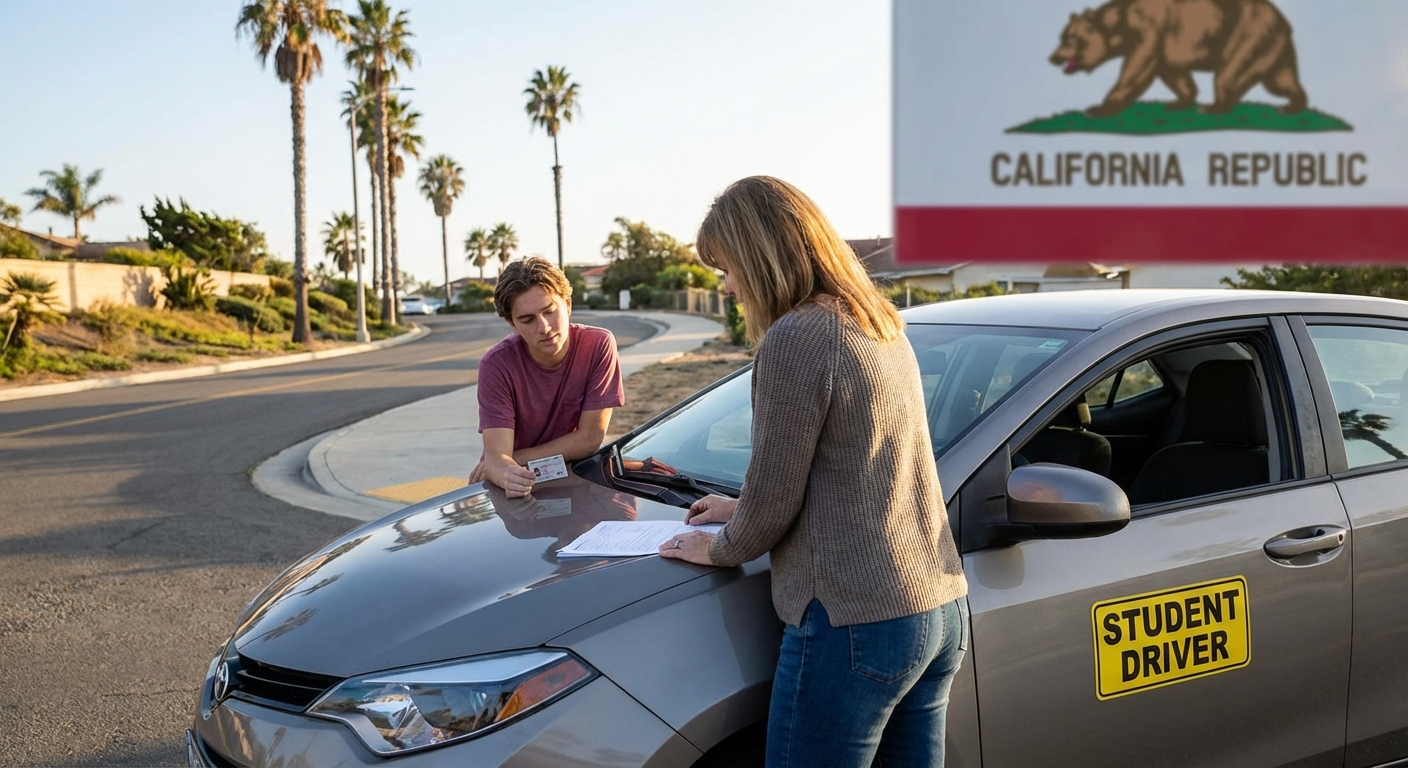
Getting your first insurance quote can feel like a punch to the gut. Premiums for new drivers in California often seem incredibly high. You’re not imagining things.
Why New Drivers Pay More — It’s Not Just You
The short answer is yes. The real answer is more complicated. Insurance companies, whether it’s State Farm, AAA, or Farmers, are all about risk. And statistically, new drivers, especially young ones, pose a higher risk. They have less experience, less time to develop safe driving habits, and often, a higher likelihood of getting into accidents. This isn’t a judgment; it’s just what the numbers show.
Think about it: a 16-year-old with a brand-new license has zero track record. An experienced driver with 20 years of accident-free driving has a clear history of being a lower risk. That difference translates directly into what you pay. It’s not personal; it’s actuarial science.
What Goes Into Your Quote?
Several factors blend together to create your personal insurance premium. Some you can control, some you can’t:
- Your Age: Younger drivers (under 25) generally pay more. It’s a tough truth.
- Type of Car: A sporty, high-performance car will cost more to insure than a sensible sedan. More expensive to repair, more likely to be stolen, often driven faster.
- Where You Live: Your ZIP code matters a lot. Living in a congested area like parts of the Valley or downtown Los Angeles often means higher rates than, say, a quiet street in Ventura County or the Inland Empire. More traffic means more accidents and more thefts.
- How Much You Drive: If you’re commuting 50 miles a day, that’s more risk than someone who only drives on weekends.
- Your Driving Record: Even as a permit holder, any tickets or incidents can affect future rates. Once you’re licensed, speeding tickets or at-fault accidents will absolutely hike your premiums.
- Your Credit-Based Insurance Score: While California has stricter rules than some states about how credit history is used, it can still be a factor for some insurers. A good credit history often suggests responsibility, which translates to lower risk in an insurer’s eyes.
Step-by-Step: Securing Your California Car Insurance
Getting insured doesn’t have to be a mystery. Here’s a clear path to follow.
1. Get Your Permit and Practice (and the Insurance That Goes With It)
Before you even get your full license, you’ll likely have a provisional permit. If you’re driving a parent’s car, you’ll need to be listed on their policy. If you’re driving your *own* car, even with a permit and a licensed driver beside you, that car needs its own insurance policy. Don’t skip this step. An accident during the permit phase can be costly in more ways than one.
2. Know Your Coverage Options
Remember that 15/30/5 minimum? That’s just the start. Most drivers opt for more protection. Here are some common options:
- Collision Coverage: Pays for damage to your own car if you hit another car or object, regardless of who’s at fault.
- Comprehensive Coverage: Covers damage to your car from things like theft, vandalism, fire (a real concern with the 2025 LA fires and other wildfires), hail, or hitting an animal.
- Uninsured/Underinsured Motorist Coverage (UM/UIM): This is incredibly important in California. It protects you if you’re hit by a driver who doesn’t have insurance or doesn’t have enough to cover your damages. Given the number of uninsured drivers on California roads, this coverage is a smart move.
- Medical Payments (MedPay) or Personal Injury Protection (PIP): Covers medical expenses for you and your passengers, regardless of fault.
3. Shop Around — Don’t Settle for the First Quote
This is probably the most important piece of advice for any new driver. Rates can vary wildly between insurance companies for the exact same coverage. Some insurers are more lenient with new drivers, others less so. You might get a sky-high quote from one company and a much more reasonable one from another. Don’t just call one place.
Here’s where an independent agent like Karl Susman of California Driver Insurance comes in handy. Karl’s agency, with CA License #OB75129, works with many different insurance companies. They can shop around for you, comparing quotes from multiple carriers to find the best rate and coverage for your specific situation. It saves you a ton of time and often a lot of money. It’s a smart way to get unbiased advice, too.
Get a California car insurance quote today.
4. Look for Discounts — Every Penny Helps
Even as a new driver, you might qualify for some discounts. Ask about these:
- Good Student Discount: If you’re a student maintaining a certain GPA (usually a B average or higher), many insurers will give you a break.
- Driver’s Education/Defensive Driving Course: Completing an approved course shows you’re committed to safe driving.
- Telematics/Usage-Based Insurance: Some companies offer devices or apps that monitor your driving habits (speed, braking, mileage). Drive safely, and you could see lower rates.
- Bundling: If your parents have homeowners or renters insurance, adding your auto policy to theirs can sometimes get a multi-policy discount.
- Low Mileage Discount: If you don’t drive much, you might qualify for this.
5. Get Your Policy and Proof
Once you’ve chosen a policy, you’ll make your first payment. The insurance company will then issue you proof of insurance, usually an ID card and a declarations page. Keep your ID card in your car at all times. You’ll need it if you’re ever pulled over or get into an accident. In California, digital proof on your phone is also usually accepted.
Common Questions About New Driver Insurance
Q: Can I get insurance with just a permit?
A: Yes, absolutely. If you’re driving your own car, even with a permit, that car needs to be insured. Often, if you’re driving a parent’s car, you’ll be added to their existing policy as a permit holder. It’s a critical step before you ever get behind the wheel.
Q: Do parents have to add their new driver to their policy?
A: If the new driver lives in the same household and will be driving the family cars, then yes, usually they must be added to the parents’ policy. Insurers generally require all licensed drivers in a household to be listed. Not doing so could lead to a claim being denied if your new driver gets into an accident.
Q: What if I can’t afford insurance?
A: This is a tough spot. Driving without insurance isn’t an option in California. Explore all discount options. Get quotes from many different companies — an independent agent like Karl Susman can really help here. Consider basic liability-only coverage, though remember it offers minimal protection. For some high-risk drivers, the California Automobile Assigned Risk Plan (CAARP) — often called the FAIR Plan for auto insurance — is a last resort, but it’s usually more expensive and offers limited coverage. It’s better to find a standard policy if you can.
Q: Does my car choice really affect my rate that much?
A: A big difference. A brand new sports car or an expensive SUV will almost certainly cost more to insure than an older, reliable sedan. Think about repair costs, parts availability, and even the car’s safety ratings. A car with good safety features might earn you a discount.
Q: Will my rates ever go down?
A: Yes! This is the good news. As you gain more driving experience and maintain a clean record, your rates will likely decrease. After a few years of accident-free driving, especially once you pass age 25, you’ll typically see a significant drop. It just takes time and responsible driving.
The Road Ahead: Staying Insured and Saving Money
Getting your first car insurance policy in California as a new driver is a significant milestone. It might feel expensive at first, but remember, it’s an investment in your financial safety and peace of mind. Drive carefully. Avoid tickets. And keep an eye out for new discounts as you gain experience.
Don’t just set it and forget it, either. Your insurance needs and rates can change. It’s smart to re-shop your policy every year or two, or whenever you have a major life event like moving or buying a new car. A little effort can save you hundreds of dollars.
Ready to find the right coverage? Get your California car insurance quote now.
This article is for informational purposes only and does not constitute financial advice.