
Is Roadside Assistance Just for Emergencies? Think Again.
Many drivers picture roadside assistance as a last resort, something you call only when your car sputters to a halt on a busy freeway. You know, a full-blown emergency. But that’s not the whole story. This coverage, often added to your existing auto insurance, offers a lot more than just a tow from a major accident. It’s a quiet guardian for those everyday annoyances that can ruin your day, or at least your commute through the Inland Empire.
Think about it. A flat tire on a quiet residential street in Ventura County. A dead battery in your own driveway when you’re late for work. Locking your keys inside your car right before a big meeting in downtown San Diego. These aren’t exactly catastrophic events. Yet, they can leave you stranded, frustrated, and scrambling for solutions. That’s where roadside assistance steps in. It’s built for those smaller, more common hiccups.
Beyond the Tow: What Roadside Assistance Really Covers
Most people only think of towing when they hear “roadside assistance.” And yes, towing is a big part of it. If your car breaks down and can’t be fixed on the spot, you’ll need a tow to the nearest qualified repair shop. But the range of services can surprise you.
For starters, there’s the flat tire change. You might have a spare, but maybe you don’t have the right tools, or it’s pouring rain, or you’re just not comfortable doing it yourself on the shoulder of Highway 101. A quick call, and help is on the way.
Then there are battery jump-starts. Ever left your lights on all night? Happens to the best of us. A jump-start service can get you going again without needing to flag down a stranger or wrestle with jumper cables.
What about running out of gas? It’s embarrassing, sure, but it’s also a real problem, especially if you’re out in a less populated area of the Central Valley. Roadside assistance often includes fuel delivery, bringing you enough gas to get to the nearest station. You’ll typically pay for the gas itself, but the delivery fee is covered.
Here’s where it gets interesting. Lockout services are another common benefit. Misplaced your keys? Locked them in the trunk? A technician can come out and help you get back into your car. And sometimes, if your car needs a minor fix right there – say, a hose clamp tightened or a quick fuse replacement – they can handle that too. It’s about getting you back on the road quickly, not just dragging you off it.
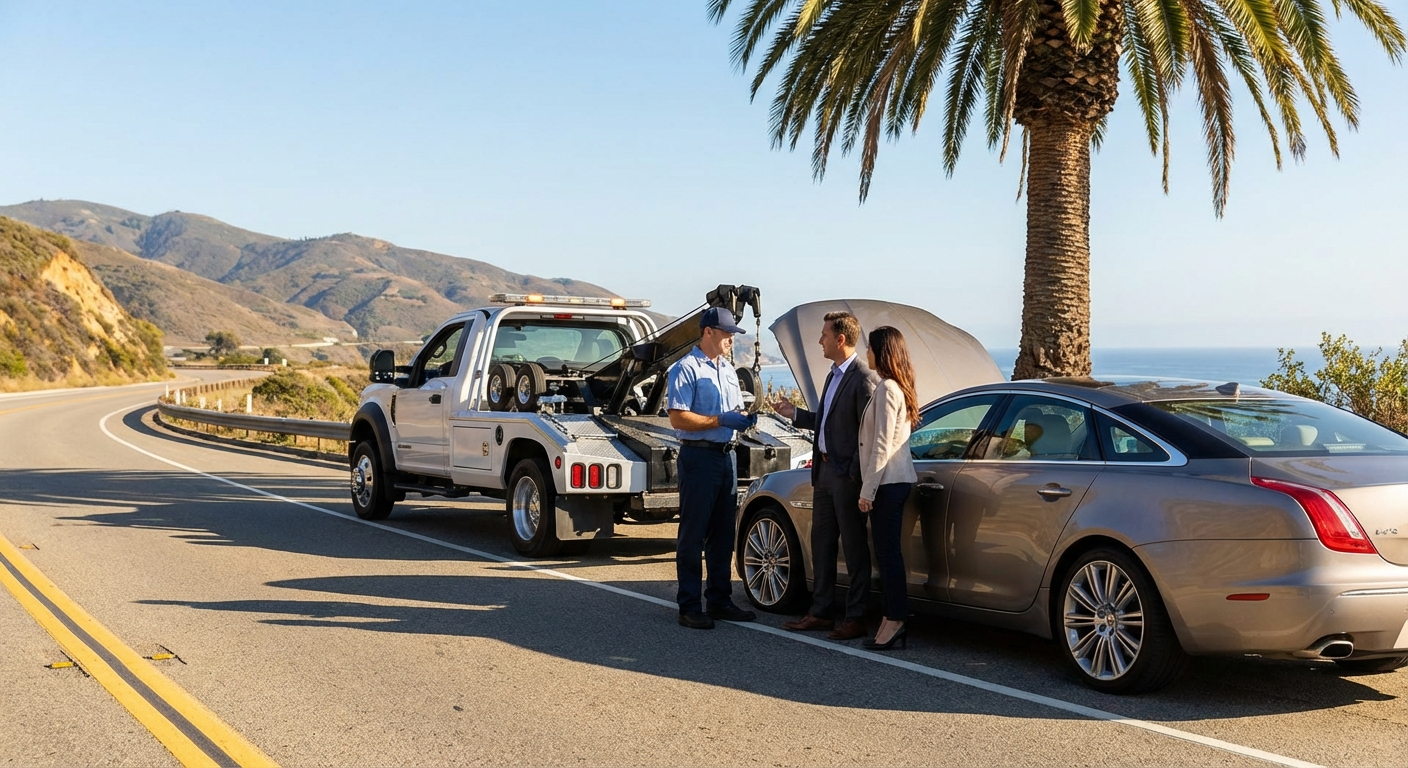
Is Adding It to Your Car Insurance Always the Best Deal?
Many drivers just tick the box for roadside assistance when they buy their auto policy. It seems cheap, right? Often, it adds just a few bucks a month to your premium. And for many, it’s a perfectly good option. The short answer is yes, it’s usually a good value. The real answer is more complicated.
You see, while it’s affordable, the coverage limits can be tighter than what you’d get from a dedicated service like AAA. Your insurer might offer a tow up to 15 or 20 miles. That’s fine if you break down near a mechanic in Orange County. But what if you’re driving through the vast expanses of the Mojave Desert or up in the Sierra foothills? A 15-mile tow isn’t going to get you very far when the nearest town is 50 miles away. Those extra miles can add up fast, costing you hundreds out of pocket.
That’s not the whole story. Some credit cards, especially premium ones, offer roadside assistance as a perk. You might already be paying for it and not even realize it. Check your card benefits – often, these are secondary services, meaning they kick in after your primary insurance, but sometimes they’re quite robust. Also, new cars often come with manufacturer-backed roadside assistance for the warranty period. BMW, Mercedes, Toyota, Ford – many brands include it. So, if you just bought a new car, you might already be covered for a few years.
Then there’s AAA, the granddaddy of roadside assistance. They’re not an insurance company in the traditional sense, though they do offer insurance. Their core business is roadside help. AAA plans often cost more annually than adding it to your car insurance, but they typically provide much more generous benefits: longer tow distances, more service calls per year, trip interruption benefits if you break down far from home, and discounts on hotels and car rentals. For drivers who travel long distances or live in areas where tow services are scarce, AAA can be a lifesaver.
The Hidden Cost: Can Using Roadside Assistance Raise Your Rates?
Here’s something most people don’t consider: using your roadside assistance too frequently *can* impact your insurance. You might think, “It’s not a claim, it’s just a service!” And you’re right, it’s not a collision claim or a comprehensive claim. But insurance companies track everything.
If you’re calling for a tow or a jump-start every few months, your insurer might start to see you as a higher-risk driver. Why? Because frequent breakdowns suggest your car isn’t well-maintained, or you’re prone to issues. This could lead to a non-renewal of your policy or, more commonly, a higher premium at renewal time. It’s not a guarantee, mind you, and a single call probably won’t hurt. But repeated calls? That’s definitely something to be aware of.
Which brings up something most people miss. If you’re someone who often forgets to fill up, or struggles with routine car care, maybe a dedicated roadside plan like AAA is a better bet. Why? Because using AAA doesn’t directly impact your auto insurance rates with State Farm, Farmers, Geico, or whatever company you have. It’s a separate membership. This is a big distinction for many California drivers who already face rising insurance costs — premiums jumped significantly for many between 2022 and 2024, thanks to factors like wildfire risk and repair costs. The last thing you want is another reason for your rates to climb.
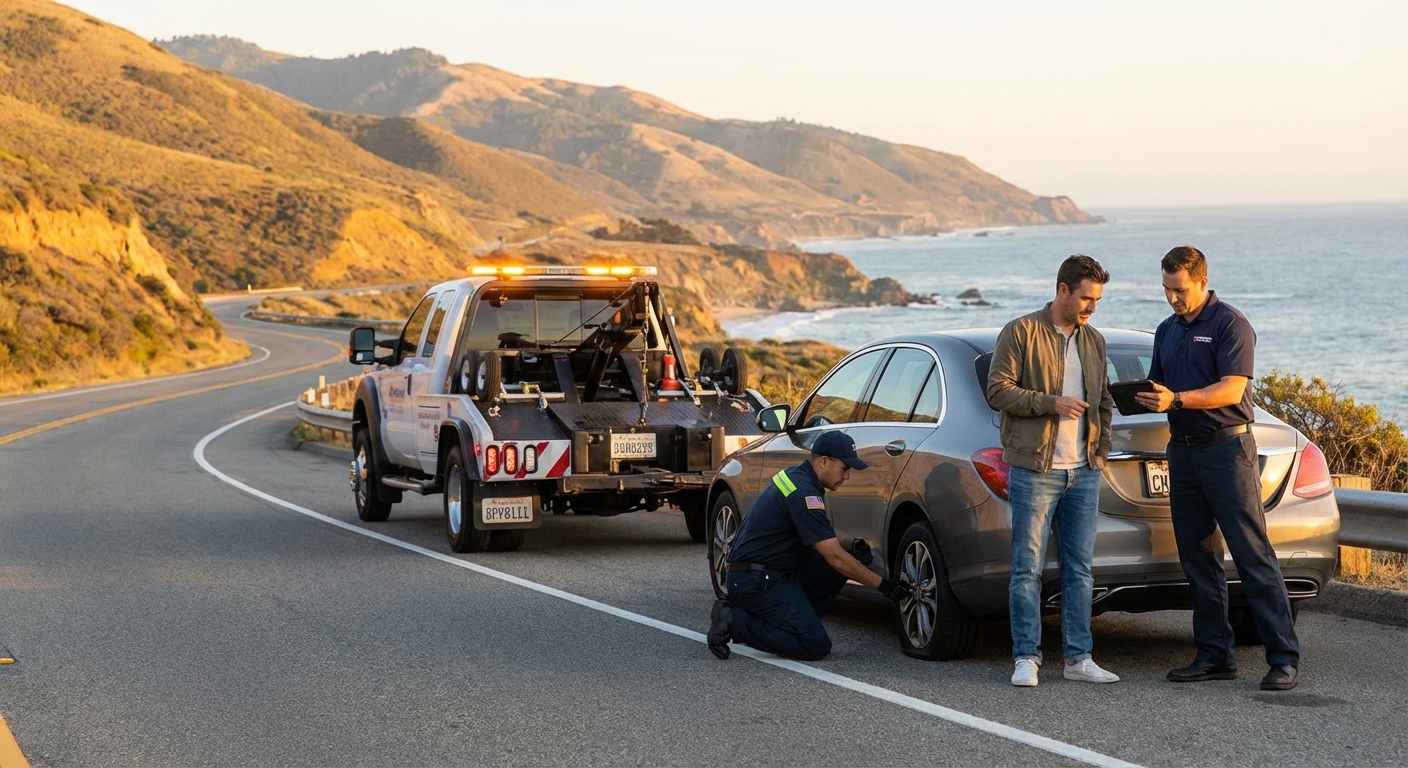
California Specifics: Why Roadside Assistance Matters Here
Driving in California is unique. We’ve got sprawling cities with legendary traffic – try getting a tow truck quickly on the 405 in LA during rush hour. We’ve got vast deserts where a breakdown means long waits and even longer tow distances. We’ve got mountain passes where weather can turn treacherous instantly. And we’ve got the sheer cost of everything. Towing services in California are expensive. A simple 20-mile tow can easily run you a few hundred dollars if you’re paying out of pocket.
This means the limits of your roadside assistance really matter. A 15-mile tow might be perfectly adequate if you’re commuting in a dense urban area like San Francisco or Sacramento. But if you’re taking weekend trips to Yosemite or exploring the less-traveled roads of the Eastern Sierra, that limited tow distance suddenly feels very small.
Consider your own driving habits. Do you stick to familiar routes in the Valley? Or do you often venture out on long road trips across the state? Your answers should help you decide how much roadside coverage you really need.
If you’re wondering what’s best for your specific California driving habits, a quick chat with an experienced agent like Karl Susman at California Driver Insurance is a smart move. You can reach him at (877) 411-5200 or get a quote online today. Karl, with CA License #OB75129, has seen it all and can help you compare options.
When Roadside Assistance Might Not Be for You
Honestly, roadside assistance isn’t for everyone. Here are a few scenarios where you might be better off without it, or with a different type of coverage:
* **You already have AAA or similar:** No need to double-dip. Pick the one that offers the best value and benefits for your needs.
* **Your credit card provides excellent coverage:** Again, check those benefits. You might be surprised.
* **You drive a brand-new car with a manufacturer’s warranty:** Many new cars include roadside assistance for the first few years.
* **You rarely drive:** If your car mostly sits in the garage, the odds of needing a tow are significantly lower.
* **You’re a mechanic (or know one):** If you can handle most minor car troubles yourself, or have a friend who’s always willing to help, you might not need the service.
For most California drivers, though, having some form of roadside assistance is a smart play. It’s about peace of mind. Knowing that a flat tire or a dead battery won’t derail your entire day is worth a lot. Just make sure you understand the fine print, the limits, and how it might affect your overall insurance picture.
Frequently Asked Questions About California Roadside Assistance
What’s the typical tow distance limit with insurance-based roadside assistance in California?
Most auto insurance policies offering roadside assistance will have a tow limit, often between 10 and 25 miles. If your tow exceeds this distance, you’ll typically pay for the extra miles out of pocket. This is why it’s important to consider your average travel distances, especially if you drive in less populated areas.
Can I get roadside assistance if I don’t have full coverage insurance?
Yes, often you can. Roadside assistance is usually an optional add-on that can be purchased even if you only carry liability insurance. It’s a separate coverage that doesn’t depend on having comprehensive or collision coverage, though some insurers might bundle it more easily with a full coverage policy.
How many times can I use roadside assistance in a year?
This varies by insurer and policy. Some policies might have a limit, such as 3 or 4 service calls per year. Others might not explicitly state a limit but will track usage, which, as discussed, could impact your policy at renewal time. Always check your specific policy details.
What if my car breaks down outside of California? Is my roadside assistance still valid?
Most auto insurance policies provide roadside assistance across the United States and Canada. So, if you’re on a road trip to Nevada or Arizona and have a breakdown, your coverage should still apply. It’s always a good idea to confirm this with your insurer before a long trip, just to be sure.
What’s the best way to choose between my insurer’s roadside assistance and a service like AAA?
Consider your driving habits, budget, and desired level of benefits. If you only drive short distances and want the most budget-friendly option, your insurer’s plan might be fine. If you travel frequently, need longer tow distances, or want to avoid any potential impact on your insurance rates, a dedicated service like AAA might be a better choice. Karl Susman at California Driver Insurance (CA License #OB75129) can help you weigh these options. Don’t hesitate to give him a call at (877) 411-5200 or get a quote online today.
This article is for informational purposes only and does not constitute financial advice.
Ready for Your Free Quote?
No obligation. Takes 2 minutes. Speak with Karl Susman and the team at California Driver Insurance.