The California Dream, The Minimum Policy, and The Wake-Up Call
Picture this: Sarah and David, a young couple, finally bought their first home in Rancho Cucamonga. Two kids, two cars, and a mortgage that felt a little too big. Every dollar counted. When it came time to renew their auto insurance, they saw the numbers. The standard policy looked steep. The “minimum coverage” option, though? Suddenly, that looked like a lifesaver. It saved them a good chunk of change each month, money they could put toward piano lessons, or maybe even a small family trip to Santa Cruz. They felt smart. They felt like they’d found a loophole.
But here’s the thing. That “minimum coverage” in California – what exactly does it mean? For most folks, it sounds like “enough to be legal.” And it is. You absolutely need it to drive on California roads. The state mandates specific amounts of liability insurance to protect other drivers, pedestrians, and property if you cause an accident. Without it, you’re looking at fines, license suspension, and registration issues. Nobody wants that.
However, “legal” doesn’t always mean “protected.” Not even close.
What Does California’s “Minimum” Actually Cover?
California requires drivers to carry specific liability limits. These are often written as three numbers, like 15/30/5. Let’s break that down:
* **$15,000 for bodily injury liability per person:** This is the maximum your insurance company will pay for medical bills, lost wages, and pain and suffering for *one person* you injure in an accident you cause.
* **$30,000 for bodily injury liability per accident:** This is the total maximum your insurer will pay for all injured parties in *one accident* you cause, no matter how many people are hurt.
* **$5,000 for property damage liability per accident:** This is the most your insurance company will pay to repair or replace property you damage in an accident you cause. Think other cars, fences, mailboxes.
Honestly, those numbers look small, don’t they? They are. Especially when you consider how much things cost in California.
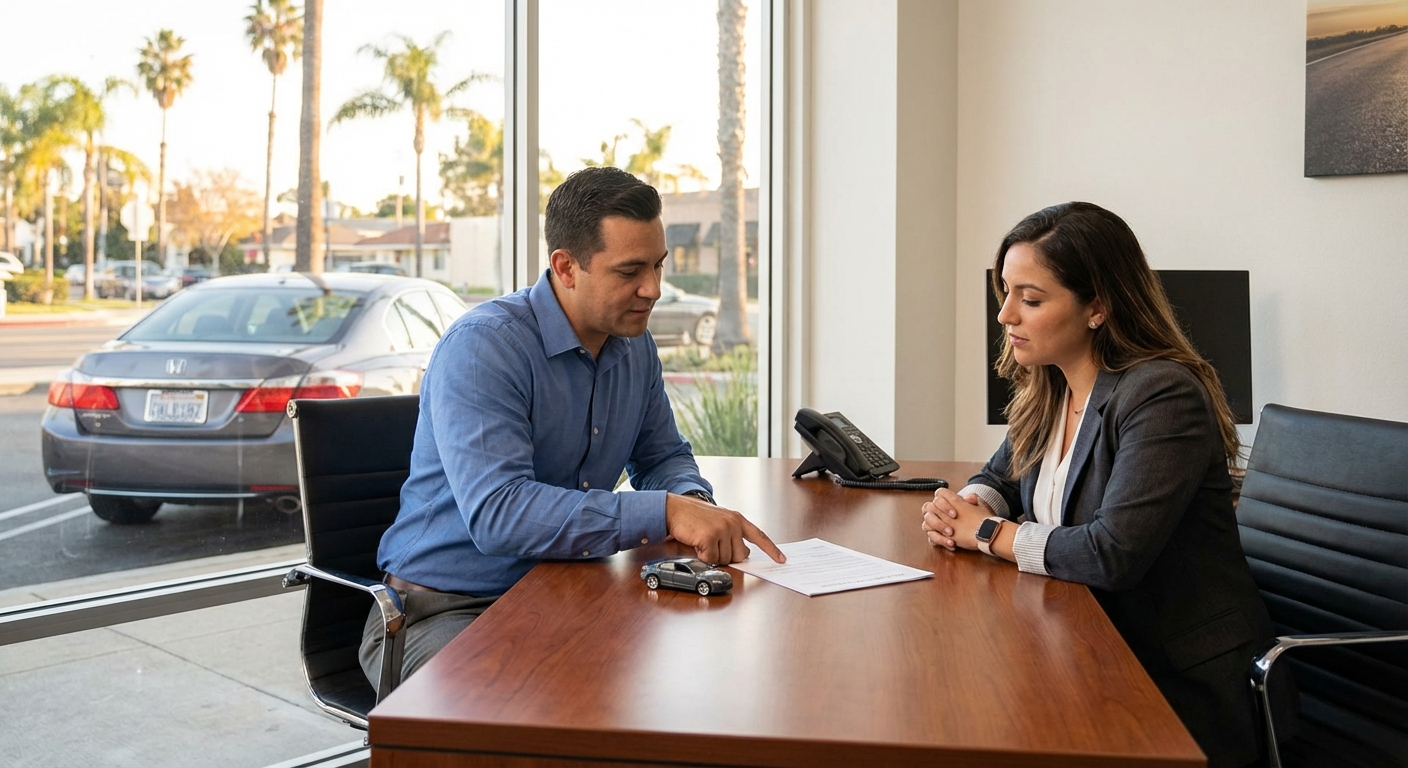
The Real Cost of a “Cheap” Policy
Let’s go back to Sarah and David in the Inland Empire. They’re cruising down the 210, heading to a soccer game. Traffic suddenly stops. David, distracted for a second, rear-ends the car in front of him. It’s a newer Mercedes sedan. The driver, an older woman, complains of neck pain.
Here’s where it gets interesting. The Mercedes needs $12,000 worth of repairs. The woman’s medical bills, after a few doctor visits and physical therapy, hit $8,000.
David’s minimum policy has that $5,000 property damage limit. His insurer pays out the $5,000 for the Mercedes. But who pays the remaining $7,000 for the car? David does. Out of pocket.
Then there’s the bodily injury. The woman’s $8,000 in medical bills? That’s covered by the $15,000 per person limit. So far, so good. But what if she decides to sue for pain and suffering, and a jury awards her $25,000? David’s insurer pays the $15,000 maximum per person. The remaining $10,000? That’s on David, too.
Suddenly, that “saved” money on their premiums looks like a pittance compared to the $17,000 they now owe. This isn’t some made-up horror story. This happens every day in places like Los Angeles, Orange County, and even here in the Valley.
Why California’s Minimums Are a Problem
The current minimum coverage limits in California haven’t changed since 1967. Think about that for a second. Gas was 33 cents a gallon. A new house cost $14,250. Today, a new car can easily run you $40,000 or $50,000. A broken bone or a few nights in a hospital in Ventura County can generate tens of thousands in medical bills.
So, while the state’s minimums ensure *some* level of financial responsibility, they offer very little *actual* protection for drivers who cause accidents. Many people buy minimum coverage because it’s the cheapest way to stay legal. They might be young drivers, or those on a tight budget. They just don’t realize the massive financial hole they could fall into if they’re ever at fault in a serious collision.
Which brings up something most people miss. If you can’t pay those extra costs out of pocket, the injured party or their insurance company can come after your assets. Your savings account. Your wages. Even your home. It’s not always a quick, clean process. It can mean years of financial struggle, all because of a few dollars saved each month on insurance premiums.
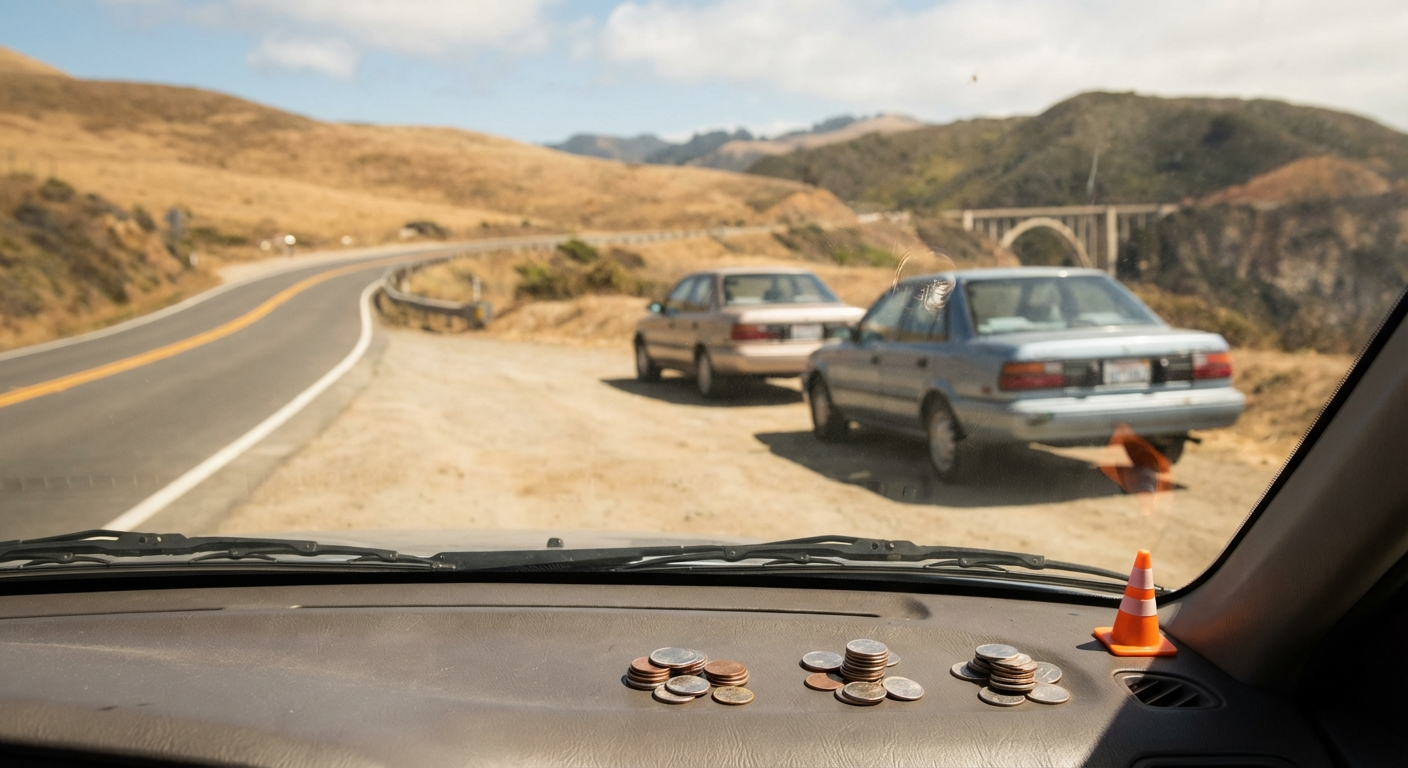
Beyond the Bare Minimum: Real Protection
So, if 15/30/5 isn’t enough, what *is*? Most insurance professionals, including folks like Karl Susman at California Driver Insurance, CA License #OB75129, would tell you to aim for much higher limits.
Higher Liability Limits
Instead of 15/30/5, consider something like:
* **100/300/50:** That’s $100,000 per person for bodily injury, $300,000 per accident, and $50,000 for property damage.
* **250/500/100:** Even better protection for those with significant assets to protect.
These higher limits cost more, yes. But usually, the jump in premium isn’t as dramatic as the jump in coverage. It’s often a far better value for the peace of mind it buys.
Uninsured/Underinsured Motorist (UM/UIM) Coverage
This is absolutely, unequivocally *essential* in California. Why? Because while you might have insurance, an alarming number of drivers in California don’t. Or they only carry those meager minimums.
What happens if Sarah and David, with their full coverage, get hit by a driver who has no insurance, or only 15/30/5, and causes $50,000 in damage to their car and $100,000 in medical bills for Sarah? If they don’t have UM/UIM, they’re in a tough spot. Their own UM/UIM policy would step in to cover *their* damages and injuries, up to their chosen limits, just as if the at-fault driver had adequate insurance. Don’t skip this. Seriously.
Medical Payments (MedPay)
This coverage pays for immediate medical expenses for you and your passengers, regardless of who was at fault in an accident. It’s a fast way to get bills paid without waiting for liability to be determined. A few thousand dollars in MedPay can be a real lifesaver for immediate ambulance rides or emergency room visits.
Collision and Comprehensive Coverage
If you have a loan on your car, your lender will almost certainly require these. But even if you own your car outright, they’re important.
* **Collision** pays to repair or replace your car if it’s damaged in an accident, regardless of who’s at fault.
* **Comprehensive** covers things like theft, vandalism, fire (think the devastating 2025 LA fires scenario), falling objects, or hitting an animal.
If your car is totaled, and you only have minimum liability, you’re out of luck. You’ll have to replace it yourself.
Finding the Right Fit for Your California Life
It’s tempting to just grab the cheapest policy you can find online. Many people do. But think about your actual life. Do you commute on busy freeways like the 405 or the 5? Do you drive an expensive car? Do you own a home or have significant savings? All these factors mean you have more to lose if you’re underinsured.
The good news is you don’t have to figure it all out alone. That’s where an independent insurance agent comes in handy. Folks like Karl Susman at California Driver Insurance don’t work for just one company. They work for *you*. They can compare rates and coverage options from a whole host of insurers – State Farm, AAA, Farmers, and many more – to find a policy that actually protects you without breaking the bank. They’ll ask the right questions and explain what each coverage means in plain English.
Because the goal isn’t just to buy a policy. The goal is to be properly insured.
Want to explore your California auto insurance options and make sure you’re truly protected?
Get a free, no-obligation quote today and understand your choices.
Frequently Asked Questions About California Auto Insurance
Q: Is SR-22 insurance the same as minimum coverage?
A: Not exactly. An SR-22 is a certificate of financial responsibility that your insurance company files with the DMV. It proves you have at least the minimum required liability coverage. You usually need an SR-22 if you’ve had certain driving violations, like a DUI or driving without insurance. So, while it ensures you have *minimum* coverage, it’s a separate requirement triggered by past issues.
Q: Can I get cheaper insurance if I have a clean driving record?
A: Absolutely. Insurers often offer “good driver” discounts. Maintaining a clean driving record – no accidents, no tickets – is one of the best ways to keep your premiums down in California. Some insurers also offer discounts for taking defensive driving courses.
Q: What happens if I drive without any insurance in California?
A: You’re risking serious penalties. If caught, you could face fines, impoundment of your vehicle, and suspension of your driver’s license. If you cause an accident while uninsured, you’ll be personally responsible for all damages and injuries, which can lead to huge financial ruin and even lawsuits.
Q: Why is Uninsured Motorist coverage so important in California?
A: California has a significant number of uninsured drivers. If one of them hits you and you don’t have UM coverage, you’d likely have to pay for your own medical bills and vehicle repairs. UM coverage protects you in these situations, ensuring your own insurer covers your costs up to your policy limits, even if the other driver can’t or won’t pay.
Q: How can Karl Susman help me find the right coverage?
A: Karl Susman, CA License #OB75129, and the team at California Driver Insurance are independent agents. This means they don’t work for a single insurance company. Instead, they work with many different insurers (like State Farm, AAA, Farmers, and others). They’ll review your specific needs, compare quotes from multiple carriers, and help you find a policy that offers the right level of protection at a competitive price. You can reach them at (877) 411-5200.
Don’t let the California minimum coverage limits leave you exposed. Take control of your financial future on the road.
Click here to get a customized quote and speak with an expert like Karl Susman.
This article is for informational purposes only and does not constitute financial advice.