
When Your Car’s Fixed, But Still Feels Broken: Understanding Diminished Value in California
You’ve just been in a car accident. Maybe it was a fender bender on the 405 near Westwood, or a more serious collision on a foggy morning in Ventura County. Your car gets towed, taken to the body shop, and after weeks of waiting, it finally looks perfect again. The dents are gone, the paint gleams, and it drives just like it used to. A huge relief, right? You’re ready to put the whole ordeal behind you.
But here’s the thing. Even with immaculate repairs, your car isn’t truly “back to normal.” Not in the eyes of a potential buyer, anyway. A vehicle that’s been in a reported accident, especially one with significant damage, simply isn’t worth as much as an identical car that’s never been crashed. That difference in value? That’s what we call “diminished value.”
For many Californians, this idea feels unfair. You didn’t cause the accident. Your car was perfectly fine before. Now, through no fault of your own, its resale value has taken a hit. It’s a frustrating thought, and honestly, it’s a situation many drivers don’t even realize they can be compensated for.
What Exactly Is Diminished Value?
Think of it this way: imagine two identical Toyota Camrys, both 2020 models with similar mileage and features. One has a clean vehicle history report. The other, however, shows a major accident where the front end was crunched, requiring extensive repairs. Which car would you pay more for? The choice is clear, isn’t it? The one with the clean history. That price difference is diminished value in action.
In California, this usually boils down to what’s known as “inherent diminished value.” This means that even if the repairs are done flawlessly – to manufacturer specifications – the car still has less market value simply because it has a crash history. A buyer, checking a Carfax report, will see that accident. They’ll know the car was damaged. And they’ll expect to pay less for it.
It’s not about shoddy repairs; it’s about the stigma. It’s about the perception of risk. Nobody wants to buy a “repaired” car when they can buy an “original” one for the same price.
Who Pays for This Loss in Value?
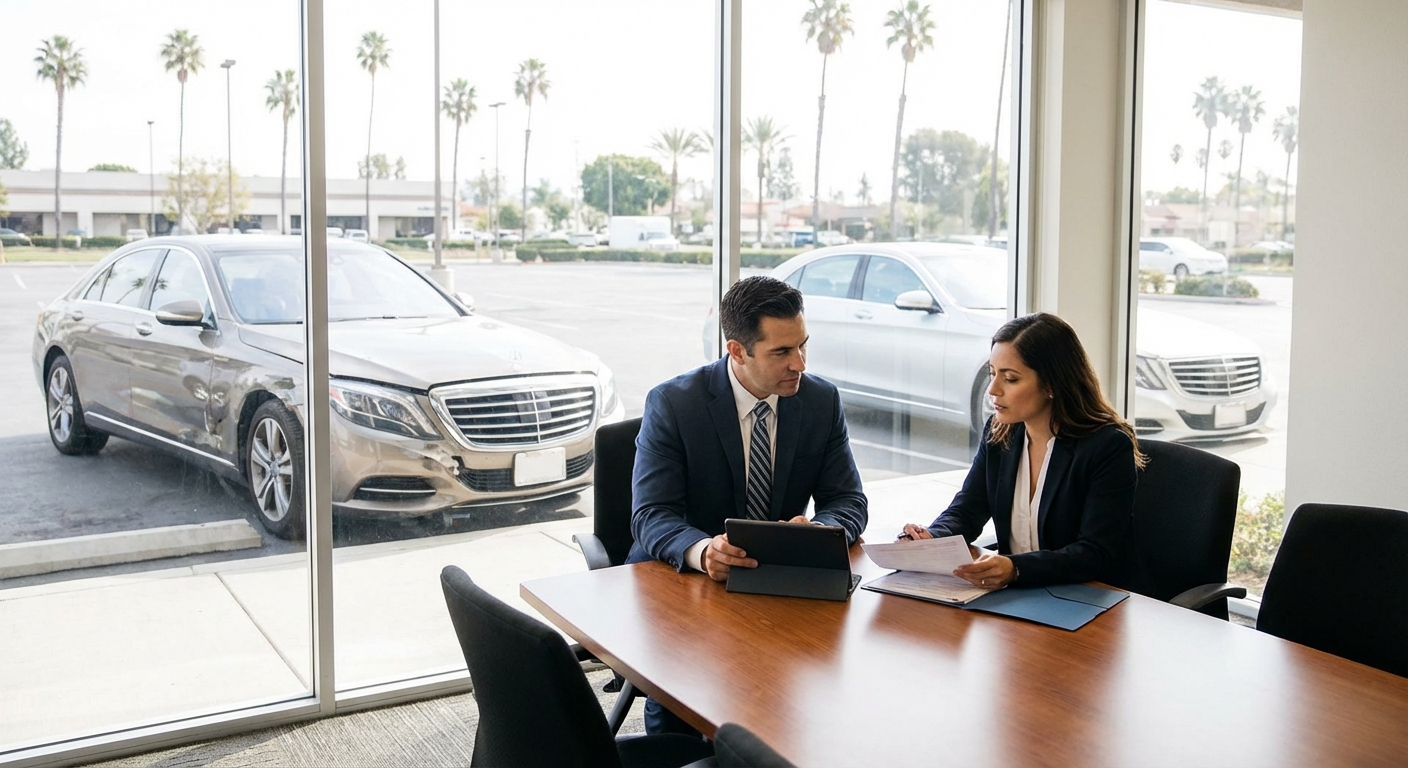
Good news for you if you weren’t at fault: the at-fault driver’s insurance company is typically responsible for paying your diminished value claim. Their job isn’t just to fix your car; it’s to make you whole. That means compensating you for all losses, and a drop in your car’s market value certainly counts as a loss.
Now, if you were at fault for the accident, it gets trickier. Your own insurance policy – specifically your collision coverage – usually only pays for the cost of repairs. Most standard collision policies don’t cover diminished value for your own vehicle when you’re the one who caused the damage. This is a common point of confusion and frustration for policyholders.
But wait — what if the other driver was uninsured, or fled the scene? If you have uninsured motorist property damage (UMPD) coverage, that might extend to diminished value. However, UMPD limits can be quite low in California – sometimes just $3,500 – so it might not fully cover your losses. It’s a good idea to check your policy details or chat with an experienced agent like Karl Susman at California Driver Insurance to understand your options.
Making a Diminished Value Claim in California: The Uphill Battle
Honestly, making a diminished value claim isn’t always a walk in the park. Insurance companies, understandably, want to pay out as little as possible. They might initially deny your claim, offer a very low amount, or simply ignore the request hoping you’ll give up.
Here’s where it gets interesting. You’ll need to prove your car’s value dropped. This isn’t just a feeling; it requires evidence.
1. **Gather Your Documents:** Keep everything related to the accident and repairs. Police reports, repair estimates, final repair invoices, photos of the damage, and any correspondence with the insurance company.
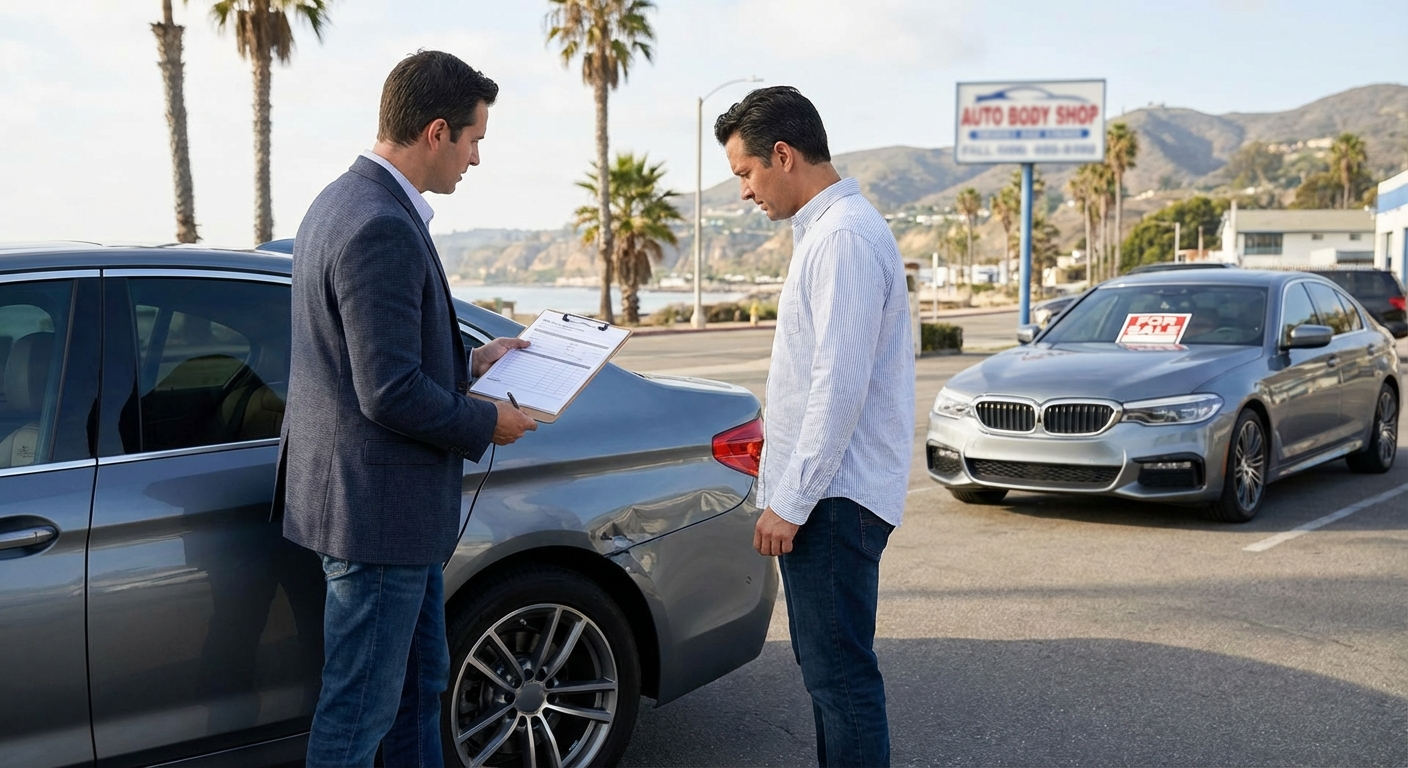
2. **Get a Diminished Value Appraisal:** This is probably the most important step. You’ll want an independent appraiser, someone who specializes in car valuation, to assess your vehicle. They’ll look at the type of car, the extent of the damage, the quality of repairs, and then compare it to similar vehicles in the market that haven’t been in an accident. They’ll give you a professional report stating the exact amount of diminished value. Expect to pay a few hundred dollars for this – but it’s often money well spent.
3. **Present Your Case:** Armed with your appraisal, submit a formal demand letter to the at-fault driver’s insurance company. Clearly state your claim for diminished value and include all your supporting documentation.
4. **Negotiate:** Don’t be surprised if their first offer is low. Or if they tell you diminished value isn’t a thing. They might try to argue that the repairs made your car “as good as new.” You’ll need to stand firm, referencing your appraisal and the legal precedent in California that supports diminished value claims.
Sometimes, the insurance company will come back with a very small offer – maybe a few hundred dollars for a car that lost thousands. This is where your resolve, and perhaps some expert advice, really come into play. They’re hoping you’ll just accept it and move on.
Why It Matters So Much in Places Like the Inland Empire or the Valley
In California, cars are often a necessity, not just a luxury. For folks commuting from the Inland Empire into Orange County, or across the vast stretches of the Central Valley, a car is a significant investment. We also have a strong used car market, meaning resale value is always a consideration. A Carfax report showing an accident can dramatically impact the sale of a sedan in San Diego or a truck in Sacramento.
Consider a popular model like a Tesla Model 3 or a Ford F-150. A crash report could easily knock $3,000 to $10,000 off its value, depending on the severity of the damage and the car’s original price. That’s a substantial sum that you, as the innocent party, shouldn’t have to absorb.
When to Seek Help from an Expert
Feeling overwhelmed by all this? You’re not alone. Many Californians find the process confusing and frustrating. Dealing with insurance companies after an accident is stressful enough without adding another layer of negotiation.
This is exactly where an experienced insurance professional can help. Karl Susman of California Driver Insurance, CA License #0B75129, has years of experience helping drivers in situations just like these. He understands the nuances of California insurance law and can offer guidance on how to approach these claims. While he can’t process a diminished value claim for you directly (that’s between you and the at-fault insurer), he can explain your rights, review your policy, and offer insights on what to expect. Think of him as your advocate, someone who speaks the language of insurance.
Don’t let the insurance company dictate your car’s true worth. If you’ve been in an accident and your car was repaired, it’s worth exploring a diminished value claim. You deserve to be fully compensated for your loss.
Ready to understand your options better? Get a free quote and speak with an expert today.
Frequently Asked Questions About Diminished Value
Q: Is diminished value covered by my own collision insurance?
A: Generally, no. Your own collision coverage pays for the repairs to your car if you’re at fault. It doesn’t typically cover the loss of resale value after those repairs. Diminished value claims are usually made against the at-fault driver’s liability insurance.
Q: How long do I have to file a diminished value claim in California?
A: In California, the statute of limitations for property damage claims, including diminished value, is typically three years from the date of the accident. However, it’s always best to start the process as soon as possible after repairs are completed.
Q: Do I need to hire an attorney to pursue a diminished value claim?
A: Not always. Many people successfully pursue these claims on their own, especially if they have a strong appraisal report. However, if the insurance company is being particularly difficult, or if the diminished value amount is very high, consulting an attorney who specializes in these types of claims might be a good idea.
Q: How is diminished value calculated?
A: There’s no single, universal formula, but a professional appraiser will consider several factors: the make, model, and year of your vehicle; its mileage before the accident; the severity and type of damage; the quality of repairs; and current market conditions. They often compare your car’s value to similar undamaged vehicles sold recently in your area.
Q: Can I claim diminished value if my car was declared a total loss?
A: No. If your car is declared a total loss, the insurance company pays you the actual cash value of the vehicle right before the accident. There’s no “diminished value” to claim because the car itself isn’t being repaired and resold by you.
Don’t leave money on the table after an accident. To learn more about how your policy protects you, or to get advice on your specific situation, reach out to Karl Susman and the team. Click here to get a free quote and connect with an expert.
This article is for informational purposes only and does not constitute financial advice.