
When Your Car is “Totaled”: Understanding Total Loss Settlements in California
So, you’ve had an accident. Maybe it was a fender-bender in Pasadena, or something more serious on the 101 near Ventura. Your car looks pretty rough. The mechanic gives you that look. Soon, you hear the words: “It’s a total loss.” For many Californians, that phrase sparks immediate panic. What does it even mean? And what happens next with your insurance company?
Here’s the thing: many people think “total loss” means your car is utterly destroyed, a twisted wreck beyond recognition. That’s not always the case. Not even close.
Myth #1: My car has to be completely demolished to be a total loss.
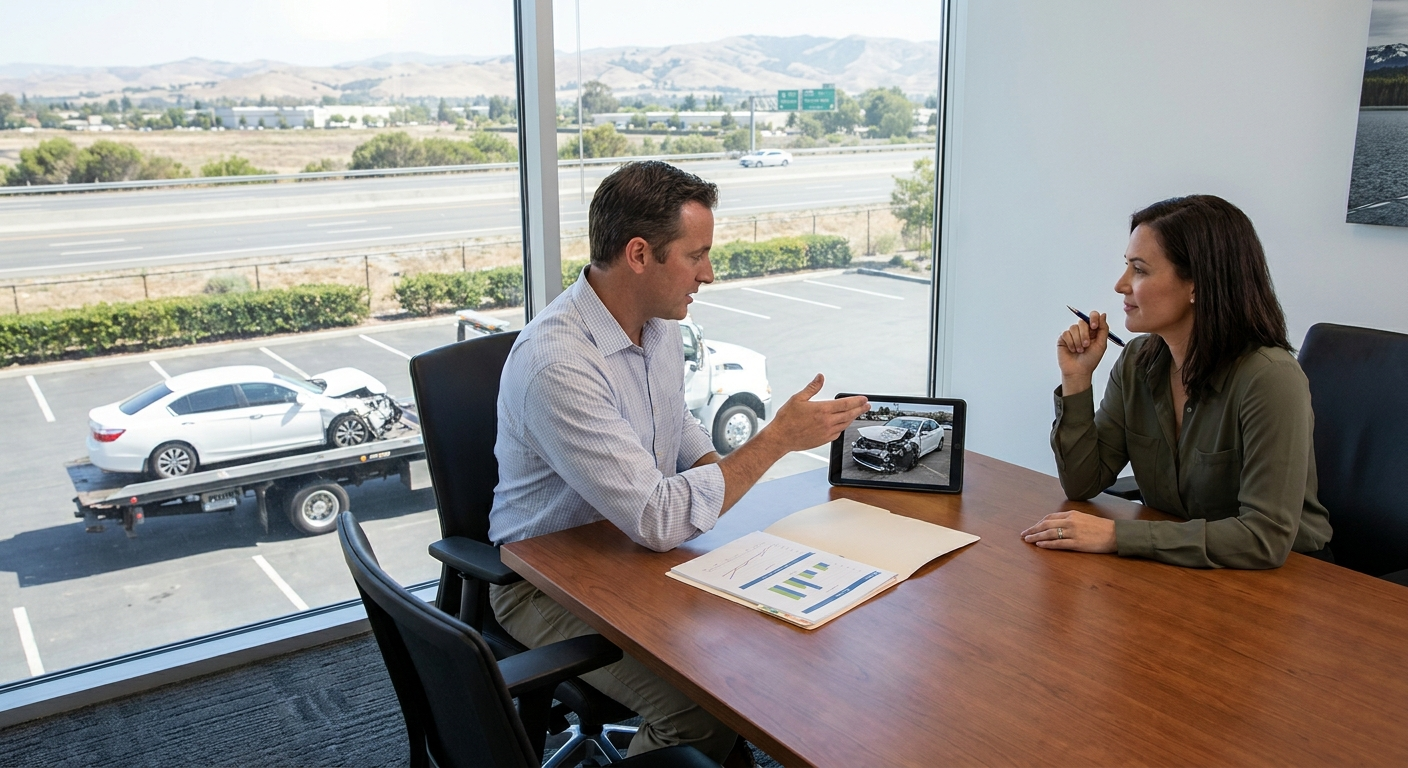
The truth is far more about economics than raw destruction. In California, an insurer declares a vehicle a total loss when the cost to repair the damage, plus the salvage value of the car (what they can sell it for in its damaged state), exceeds a certain percentage of its actual cash value (ACV) just before the accident. This threshold often hovers around 60-70% of the ACV, though it can vary slightly by insurer and specific circumstances.
Imagine your sedan, a 2018 Honda Civic, is worth $15,000 before the crash. If the repair shop quotes $10,000 to fix it, and the insurer could sell the damaged car for $2,000, then the total repair-plus-salvage cost is $12,000. That’s 80% of its pre-accident value. Bingo – total loss. Even if it *looks* repairable. Sometimes, seemingly minor damage to complex systems, like advanced driver-assistance sensors or hybrid batteries, can push a car over the total loss threshold quickly.
Myth #2: The insurance company just looks up Kelly Blue Book to value my car.
Wouldn’t that be simple? But here’s where it gets interesting. While guides like Kelly Blue Book or NADA Guides offer a starting point, insurers in California use a much more detailed process to determine your vehicle’s Actual Cash Value (ACV). They’re looking for what a similar vehicle, in similar condition, would have sold for on the open market just before your accident.
This means they’ll gather data from local dealerships, online sales platforms, and specialized valuation services. They’ll find “comparable” vehicles – cars of the same make, model, year, trim level, and mileage, often within a certain radius of your home, say, 100 miles from Long Beach or the Central Valley. Then, they adjust for things like your car’s specific options, its maintenance history (if documented), and its overall condition – dings, dents, tire wear, interior cleanliness.
It’s not an exact science, and that’s why you often see variations. One insurer might find three comps in Orange County, while another pulls five from the Inland Empire. The average of these comps, adjusted for your car’s unique quirks, forms the basis of their settlement offer.
Myth #3: Whatever they offer, I have to take it.
Absolutely not. This is probably the biggest misconception out there. The first offer from your insurance company is just that: an offer. It’s their starting point, based on their data. But you have every right to dispute it if you believe it’s too low.
Think about it: who knows your car better than you? You know if you just put on new tires, if you had that expensive 60,000-mile service done, or if you kept it meticulously clean and garaged. These things add value.
What should you do? Gather your own evidence. Look for comparable vehicles for sale online – not just from dealerships, but private party sales too. Print out listings for cars that truly match yours in year, make, model, trim, mileage, and condition. Did you have premium aftermarket wheels? A new sound system? Provide receipts. If you have an appraisal from before the accident, even better. Present this information to your adjuster, politely but firmly.
Sometimes, a little negotiation can add hundreds, even thousands, to your settlement. Karl Susman, of California Driver Insurance, CA License #OB75129, often reminds his clients, “Your adjuster wants to close the claim. Give them a good reason to adjust their offer upwards, and they often will.”
What if I owe more than my car is worth?
This is a tough spot, and it happens more often than you’d think, especially with newer cars or long loan terms. Your insurer pays out the Actual Cash Value of your car. If you still owe $20,000 on a loan, but your car’s ACV is only $17,000, you’re on the hook for that $3,000 difference. Your lender still expects the full amount.
This is exactly why gap insurance exists. If you bought it when you financed your car, it steps in to cover that “gap” between what your primary insurer pays and what you still owe on your loan. It’s a small premium that can save you a huge headache if your car ends up being a total loss. If you don’t have it, you’ll be making payments on a car you no longer own.
Can I keep my “totaled” car?
You can. But wait – there are some big catches. If you decide to keep a car declared a total loss, the insurer will subtract its “salvage value” from your settlement check. Then, you’ll receive a salvage title for the vehicle.
A salvage title means the car has been declared a total loss. To get it back on the road in California, you’ll need to repair it, pass a rigorous inspection by the Department of Motor Vehicles (DMV) to get a “revived salvage” title, and then find an insurer willing to cover it. Many major insurers like State Farm or AAA are hesitant to fully insure revived salvage vehicles, or they’ll only offer liability coverage. It’s a lot of work, and the car’s resale value will be permanently lower. For most people, it’s not worth the hassle unless you’re a mechanic yourself or have a very specific plan for the vehicle.
What about sales tax, registration, and rental car coverage?
These are often overlooked pieces of a total loss settlement.
* **Sales Tax:** In California, if your totaled vehicle is replaced, your settlement *should* include sales tax for a comparable replacement vehicle. This isn’t always automatically added, so double-check your settlement breakdown.
* **Registration Fees:** Similarly, you might be entitled to a pro-rata refund of your unused registration fees.
* **Rental Car Coverage:** If your policy includes rental reimbursement (often called “rental car coverage” or “loss of use”), it will usually continue until a few days after your total loss settlement is made, giving you time to find a replacement vehicle. Make sure you understand the daily limits and total duration of this coverage.
These aren’t always huge amounts, but they add up. Don’t leave money on the table.
When to get help (and where)
Dealing with a total loss can be stressful, especially if you’re injured or dealing with other aspects of an accident. Knowing your rights as a consumer in California is incredibly important. The California Department of Insurance (DOI) is there to ensure insurers comply with state regulations, including fair claims practices. If you feel an insurer isn’t playing fair, you can file a complaint with the DOI.
Sometimes, a quick chat with an experienced professional can clear things up. Karl Susman and his team at California Driver Insurance, CA License #OB75129, are well-versed in California’s unique insurance landscape. They can’t negotiate your claim for you, but they can certainly explain what to expect and what your options are. You can reach them at (877) 411-5200.
Finding the right coverage *before* an accident hits is your best defense. If you’re looking for auto insurance that protects you properly in California, it’s smart to compare options.
Ready to see what good coverage looks like? Get a personalized quote today: https://californiadriverinsurance.com/quote/
You might think all policies are the same. That’s not the whole story. Different insurers, like Farmers or Mercury, might offer slightly different total loss provisions or better rental car options. Understanding these differences can save you a real headache down the line.
Which brings up something most people miss. Your insurance agent isn’t just there to sell you a policy. They’re your advocate, helping you understand your coverage and navigate complex situations like a total loss. If you haven’t reviewed your policy in a while, maybe it’s time. Your life changes, your car changes, and your policy should keep up.
Don’t wait until disaster strikes to understand your coverage. Proactive steps now can make a world of difference later. Get a quote and ensure you’re protected for whatever comes your way: https://californiadriverinsurance.com/quote/
Frequently Asked Questions About Total Loss Settlements in California
Q: How long does it take to get a total loss settlement check in California?
Honestly, it varies. Once your car is declared a total loss, the insurer typically has a reasonable amount of time to investigate and make an offer, usually within 30 days of receiving proof of loss. If you agree to the offer, they generally have another few days to issue the payment. Delays can happen if there’s a dispute over value, if necessary paperwork is missing, or during major events like the 2025 LA fires that swamp claims departments.
Q: Will my insurance premiums go up after a total loss?
The short answer is yes, probably. The real answer is more complicated. Whether your premiums increase, and by how much, depends on several factors: who was at fault for the accident, your claims history, your driving record, and even the specific insurer. If you weren’t at fault, your rates might not jump as much, but a total loss claim, regardless of fault, often signals higher risk to an insurer. Some insurers might even drop you after multiple claims, forcing you to seek coverage elsewhere.
Q: What if my car is very old or a classic? Does ACV still apply?
Yes, ACV still applies, but its calculation can be trickier for classic or highly modified vehicles. For truly unique or collectible cars, standard comparable sales might not exist. In these cases, you might need a specialized appraisal from an expert in classic cars. Some policies offer “agreed value” or “stated value” coverage for classic cars, where you and the insurer agree on the car’s value *before* an accident occurs. This is a big difference from standard ACV policies.
Q: Can I just abandon my totaled car at the tow yard?
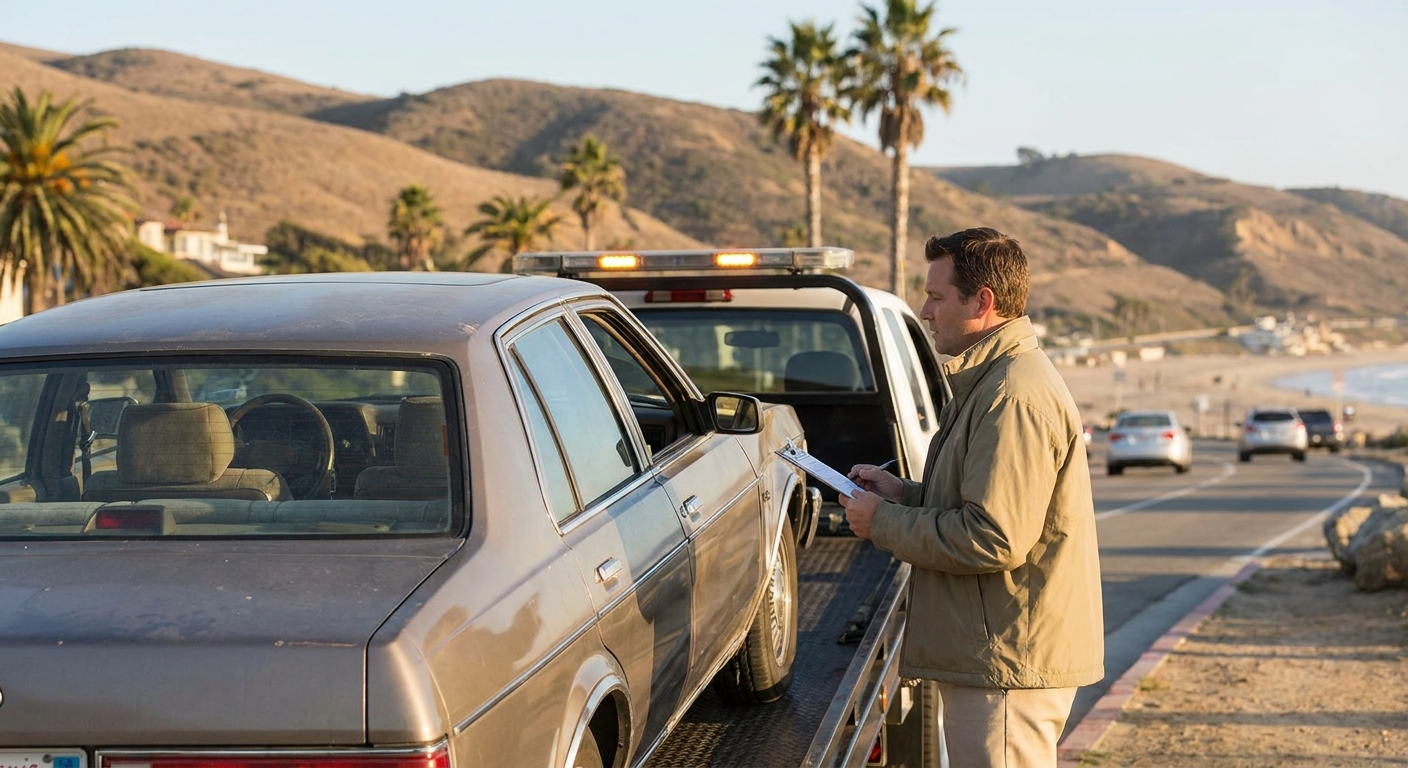
You shouldn’t. You’re generally responsible for storage fees at the tow yard until the vehicle is either picked up by your insurer or you make other arrangements. These fees can add up fast, sometimes $75-$100 a day in places like San Jose or Sacramento. If you abandon it, those charges could come back to you. Always communicate with your insurer about where the car is being stored and when they plan to retrieve it.
This article is for informational purposes only and does not constitute financial advice.